
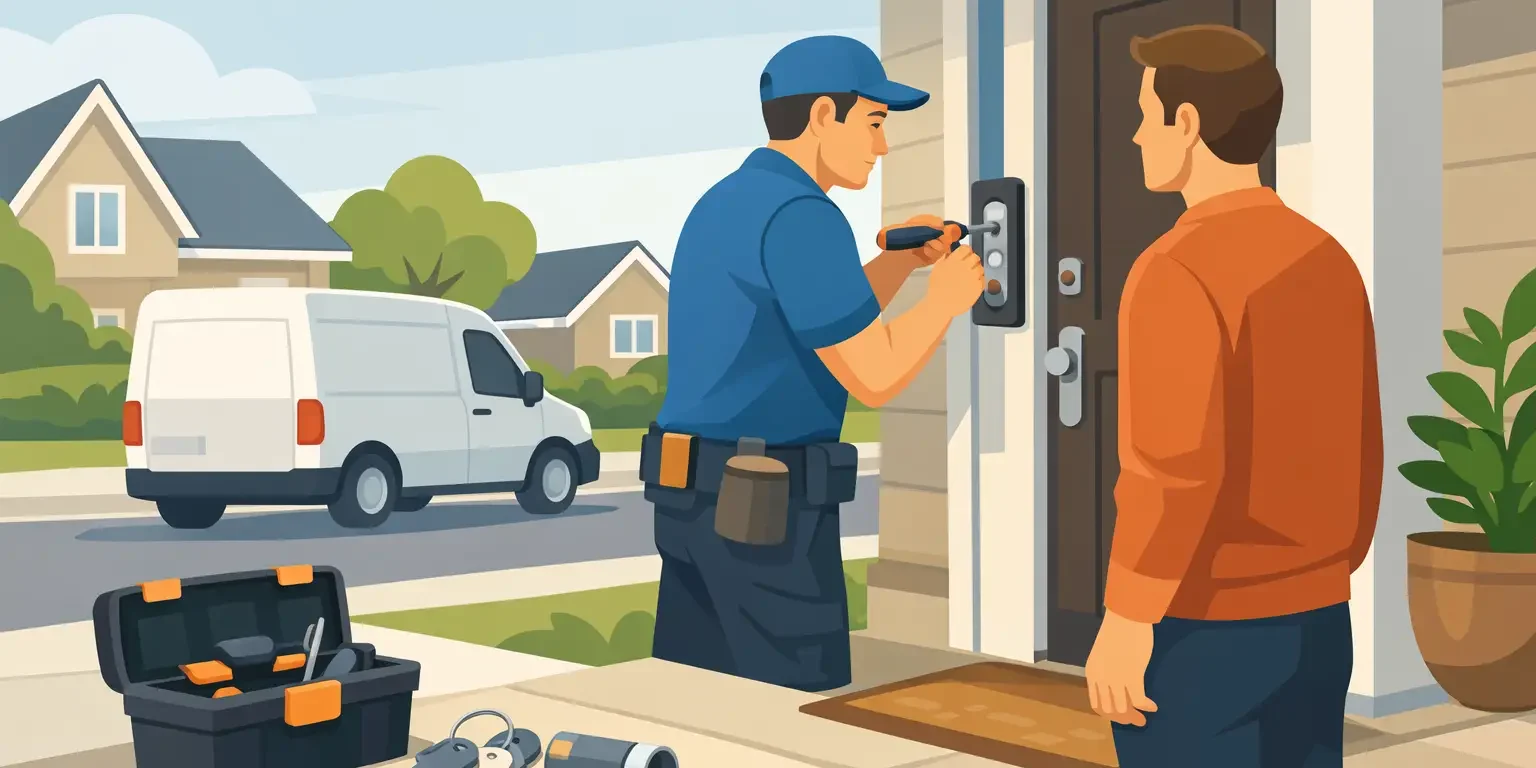
A front door lock starts acting up at the worst time – when you’re leaving for work, carrying groceries, or trying to secure the house before bed. That is usually when homeowners realize a house lock change service is not just about convenience. It is about getting your security back to a level you can trust.
For many people, the first question is whether the lock really needs to be changed. Sometimes it does. Sometimes rekeying or repair is the better move. The right answer depends on the condition of the hardware, who may have keys, and how much security you want from the door going forward.
When a house lock change service makes sense
There are some situations where changing the lock is the clearest and safest option. If the lock is physically damaged, worn out, or no longer working reliably, replacement is often smarter than trying to stretch a little more life out of failing hardware. A lock that sticks, spins, jams, or needs constant effort to turn is not something to ignore.
A recent move is another common reason. If you bought a home or moved into a new place, you do not really know how many spare keys are out there. Previous owners, contractors, house cleaners, neighbors, dog walkers, or former tenants may still have copies. In that case, changing the lock gives you a clean start.
Break-in attempts also change the equation. Even if the intruder did not get in, a damaged lock or door hardware can leave your home vulnerable. Replacing the lock lets you restore proper protection and often improve it at the same time with a deadbolt upgrade or better-grade hardware.
Then there is the simple issue of outdated security. Many older homes still have builder-grade locks that do the bare minimum. If your goal is better resistance to forced entry, a lock change may be less about fixing a problem and more about making an overdue upgrade.
Lock change vs. rekeying
Homeowners often use these terms interchangeably, but they are not the same. Rekeying changes the internal pins of an existing lock so old keys no longer work. Lock replacement removes the current hardware and installs new hardware.
Rekeying is usually the more budget-friendly option when the lock itself is in good shape, and you just need key control. It works well after a move, tenant turnover, or a lost key situation where the lock body is still solid.
A full house lock change service is usually the better choice when the lock is damaged, low quality, mismatched with other door hardware, or you want a different style or security level. It is also the right call if you want to switch from a standard keyed lock to a smart lock or keypad system.
There is no one-size-fits-all answer here. A good locksmith will look at the condition of the hardware, ask what problem you are trying to solve, and recommend the option that makes sense instead of pushing a replacement you do not need.
What to expect during a house lock change service
A professional mobile locksmith should make the process straightforward. The first step is evaluating the door, frame, and existing hardware. That matters because not every issue starts with the lock itself. Sometimes the real problem is alignment, door swelling, strike plate wear, or a previous poor installation.
Once the locksmith confirms replacement is the right move, they will help you choose compatible hardware. That includes matching the door thickness, backset, and function of the lock, along with selecting a finish and security level that fits your home.
Installation should go beyond simply swapping parts. Proper fit, smooth latch operation, secure mounting, and correct strike alignment all matter. A good lock can still perform poorly if it is installed carelessly. You want the door to close cleanly, latch fully, and lock without forcing it.
After installation, the locksmith should test the lock from both sides, confirm the keys work properly, and answer any questions about operation and maintenance. If you are upgrading to an electronic lock, setup and user guidance are part of the job, not an extra afterthought.
Choosing the right replacement lock
Not every front door needs the same hardware. A side entry, garage entry, rental unit, or interior security door may call for a different setup than a main front entrance. The right lock depends on traffic, risk level, and how you use the space.
For many homeowners, a quality deadbolt remains the standard choice because it offers dependable physical security and simple operation. If you want more convenience, a keypad or smart lock can be a strong option, especially for households with kids, frequent deliveries, or service professionals coming and going.
That said, smart locks are not automatically the best choice for every home. Some customers prefer traditional keyed hardware because it is familiar, mechanical, and less dependent on batteries or app settings. Others want the control of temporary codes, audit trails, or remote management. It depends on whether convenience, simplicity, or expanded access control matters most to you.
Brand quality matters too. Better hardware generally lasts longer, operates more smoothly, and stands up better to repeated daily use. That is especially important on doors that get opened many times a day.
Signs your current lock should not wait
Some lock problems can be scheduled. Others deserve faster attention. If your key only works after multiple tries, if the lock cylinder feels loose, if the deadbolt does not extend fully, or if the hardware shifts when touched, do not put it off. Small failures often turn into lockouts or security issues.
Rust, visible cracking, stripped screws, or evidence of tampering are also signs the hardware may be compromised. If a key broke in the lock recently or the lock was forced during an attempted break-in, replacement may be the safest route even if it still partly functions.
For landlords and property managers, timing matters even more. Delayed lock changes between tenants create avoidable risk. Fast service helps protect the property, the incoming tenant, and your own liability position.
Why mobile locksmith service matters
When a lock problem affects your home, most people do not want to remove hardware, drive to a store, guess at compatibility, and hope the installation goes well. A mobile locksmith brings the right tools, replacement options, and experience directly to the property.
That on-site service is especially valuable when the issue is urgent. If the lock is failing, the key is missing, or the house has just changed hands, waiting several days to sort out security is not ideal. A responsive mobile locksmith can often handle the job in one visit, which saves time and avoids the trial-and-error that comes with DIY replacement.
For homeowners in Ballwin and the greater St. Louis area, that local responsiveness matters. Weather, traffic, work schedules, and family routines leave little room for drawn-out service windows. A locksmith who arrives prepared and gives honest recommendations is usually what customers want most.
How to choose a locksmith for house lock change service
Trust should come first. You are hiring someone to work on the barriers that protect your home, so credentials, reviews, and clear communication matter. Look for a company that explains the difference between repair, rekeying, and replacement without using pressure.
Pricing should be discussed plainly. That does not always mean an exact final number over the phone, because hardware choice can change the total, but it should mean a clear explanation of service costs and options. If a company is vague until the work is underway, that is not a good sign.
It also helps to choose a locksmith who can work with both traditional locks and newer electronic systems. Even if you are replacing a basic deadbolt today, it is useful to have a service provider who can support future upgrades.
Locks R Us serves homeowners across Ballwin, St. Louis, and nearby Missouri communities with mobile locksmith service built around speed, dependable workmanship, and practical recommendations. That kind of service matters when the goal is not just replacing hardware, but feeling confident in your home again.
If your lock is worn out, compromised, or simply no longer the right fit for your home, taking care of it now is usually easier than dealing with a failure later. The best time to fix a weak point in your security is before it becomes a bigger problem.
Connect with us on Facebook to discover professional locksmith solutions, security insights, and trusted house lock change service recommendations for homeowners.