
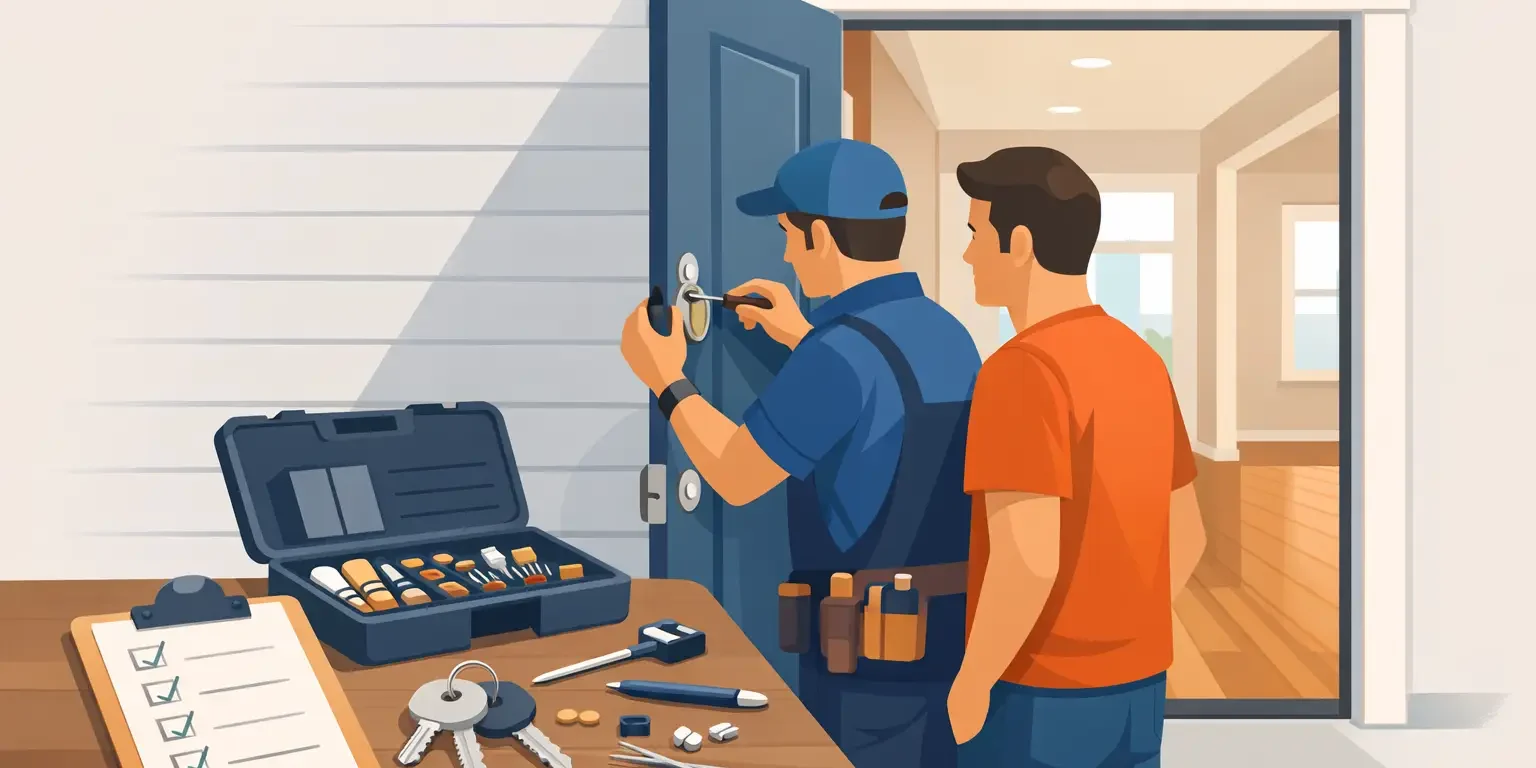
You get the keys at closing, step inside, and realize one simple fact – you have no idea who else still has access. Previous owners, old roommates, contractors, dog walkers, house cleaners, and neighbors may all have had copies at some point. That is why a new home lock rekey checklist should be one of the first security steps you handle after moving in.
For most homeowners, rekeying is faster and more affordable than replacing every lock. It changes which key works with the existing hardware, so old keys stop working. In many cases, that is all you need. In other cases, especially with damaged, outdated, or low-quality locks, replacement makes more sense. The right choice depends on the condition of the hardware, how many entry points your home has, and whether you want to upgrade security at the same time.
What a new home lock rekey checklist should cover
A good checklist starts with every place someone could legally or casually have had a key. Front doors get the most attention, but they are rarely the only concern. Side doors, garage entry doors, back doors, basement access doors, and interior doors that separate rental or shared spaces all deserve a look.
You also want to think beyond the lock cylinder itself. If a deadbolt sticks, the strike plate is loose, or the door frame has visible damage, rekeying alone will not fix the underlying weakness. A home is only as secure as the full entry point, not just the keyway.
Start by gathering all keys you received at closing. Compare them to the number of lockable doors and note anything that does not match. If one key opens multiple doors, that may be convenient, but it is still worth confirming whether all cylinders are part of the same system or whether some were changed over the years.
Check every exterior door first
Walk the property and identify every exterior door, even the ones you rarely expect to use. Homeowners often focus on the main front entry and miss a side garage door or basement walkout. Those secondary doors are common weak points because they get less attention and may have older hardware.
At each door, check whether there is a working deadbolt, whether the key turns smoothly, and whether the latch lines up properly when the door closes. If a lock feels loose, binds when turning, or requires force, mention that before rekeying is done. A technician can often tell you if the lock is worth keeping or if replacement will save you future trouble.
If the home has a door from the attached garage into the house, put that high on your list. Many break-ins happen through garages, especially when people treat them as storage rather than a secured entry point.
Don’t forget these commonly missed locks
This is where many move-in security plans fall short. Patio doors with keyed handles, storm doors, screen doors, basement doors, and detached garage service doors can all be overlooked. If a previous owner handed out spare keys over the years, any one of those points could still be accessible.
Mailbox locks, storage room locks, shed locks, and gates with keyed entry may also matter, depending on your property. These are not always part of the first-day rekey job, but they should be reviewed early. If the home came with cabinets, safes, or interior locking doors that protect valuables, those deserve attention too.
If you bought a condo or townhome, check any shared-access or limited-access entry points you personally control. Building management may handle some locks, but not always all of them.
Rekey or replace? Here’s how to decide
A new home lock rekey checklist is most useful when it helps you make decisions, not just identify locks. Rekeying is usually the smart move when the existing hardware is in good shape, the locks are from trusted brands, and you simply want old keys disabled. It is efficient, cost-effective, and often completed in one visit.
Replacement is better when locks are worn out, visibly damaged, low grade, mismatched, or missing key features you want. If you are upgrading to higher-security deadbolts or adding smart locks, replacement may be the better long-term investment. The same goes for locks that have been painted over, forced, corroded, or installed poorly.
There is also a middle ground. Some homeowners rekey the solid existing locks and replace only the weak ones. That approach controls cost while still improving security where it matters most.
Ask for key consistency where it makes sense
One of the practical benefits of rekeying after a move is simplifying your daily routine. If your front, back, and side doors all use different keys, that gets old fast. In many homes, those locks can be rekeyed to work on the same key, as long as the hardware is compatible.
That said, it depends on the lock types and brands. Not every cylinder can be keyed alike with every other one. If you have a mix of older hardware, newer deadbolts, decorative handlesets, and smart lock components, some doors may need separate solutions.
Still, if keying multiple doors alike is possible, it is worth considering. It reduces key clutter and makes life easier without sacrificing security.
Smart locks change the checklist slightly
If your new home already has electronic locks, do not assume changing the code is enough. Many smart locks still have a physical key override, and that cylinder may also need to be rekeyed. You should remove old user codes, reset app permissions, and confirm no prior owners or service providers still have digital access.
Some smart locks integrate well with existing deadbolts, while others replace them completely. If the battery compartment is corroded, the keypad is unreliable, or the app setup is unclear, it may be more practical to replace the unit than troubleshoot an aging device you did not install.
For homeowners who want better control over access, a smart lock can be a good upgrade at move-in. But it should be installed correctly and paired with a solid deadbolt and proper door alignment. Technology helps, but only when the basic hardware is sound.
Timing matters more than many people think
The best time to handle rekeying is as soon as possible after closing and before your move is fully underway. Once movers, contractors, babysitters, cleaners, or delivery crews start cycling through the property, key control gets less clear.
If you cannot do every lock immediately, start with the main living area doors and any door connecting the garage to the house. Then address secondary access points right after. Waiting a few weeks may seem harmless, but it leaves too much uncertainty in place.
For rental property owners and property managers, this timing is even more important. Turnovers create a long trail of copies, and relying on returned keys alone is not enough.
What to have ready before a locksmith arrives
A little preparation makes the visit quicker and helps you get accurate recommendations. Know how many doors you want serviced, gather any existing keys, and make note of locks that stick, spin, or feel loose. If there are electronic locks, have any codes, manuals, or app details available if possible.
It also helps to decide what outcome you want. Some customers only want old keys deactivated. Others want one key for all exterior doors, a deadbolt upgrade, or a smart lock added at the same time. Clear priorities make it easier to get the right work done in one appointment.
Mobile service is especially helpful here because the technician can evaluate each lock on site instead of guessing from photos or general descriptions.
A practical new home lock rekey checklist
Use this as your move-in security baseline:
- Front door lock and deadbolt
- Back door lock and deadbolt
- Side door or mudroom entry
- Garage-to-house entry door
- Basement or cellar exterior door
- Patio, sliding, or French door keyed locks
- Storm or screen door locks if keyed
- Detached garage, shed, or workshop locks
- Mailbox and locked storage areas
- Existing smart locks, keypad codes, and app access
- Door alignment, strike plates, and visible hardware damage
- Whether locks can be keyed alike on one key
That list does not mean every item needs rekeying in every house. It means every item deserves a decision.
When professional help is the better call
Some lock issues look simple until they are not. A lock may seem rekeyable but turn out to be worn internally, installed incorrectly, or incompatible with your other hardware. A professional can usually tell the difference quickly and help you avoid spending money twice.
For homeowners in Ballwin and the greater St. Louis area, that local, on-site evaluation matters. Homes in this region often have a mix of old and newer hardware, builder-grade locks, and later upgrades that do not always match. A mobile locksmith can sort through that faster than most homeowners want to on moving week.
Locks R Us handles this kind of move-in service with practical recommendations, straightforward pricing, and on-site work that saves you from hauling hardware back and forth to a store.
A new house comes with enough unknowns already. Getting control of your keys early is one of the simplest ways to make the place feel like yours from day one.