
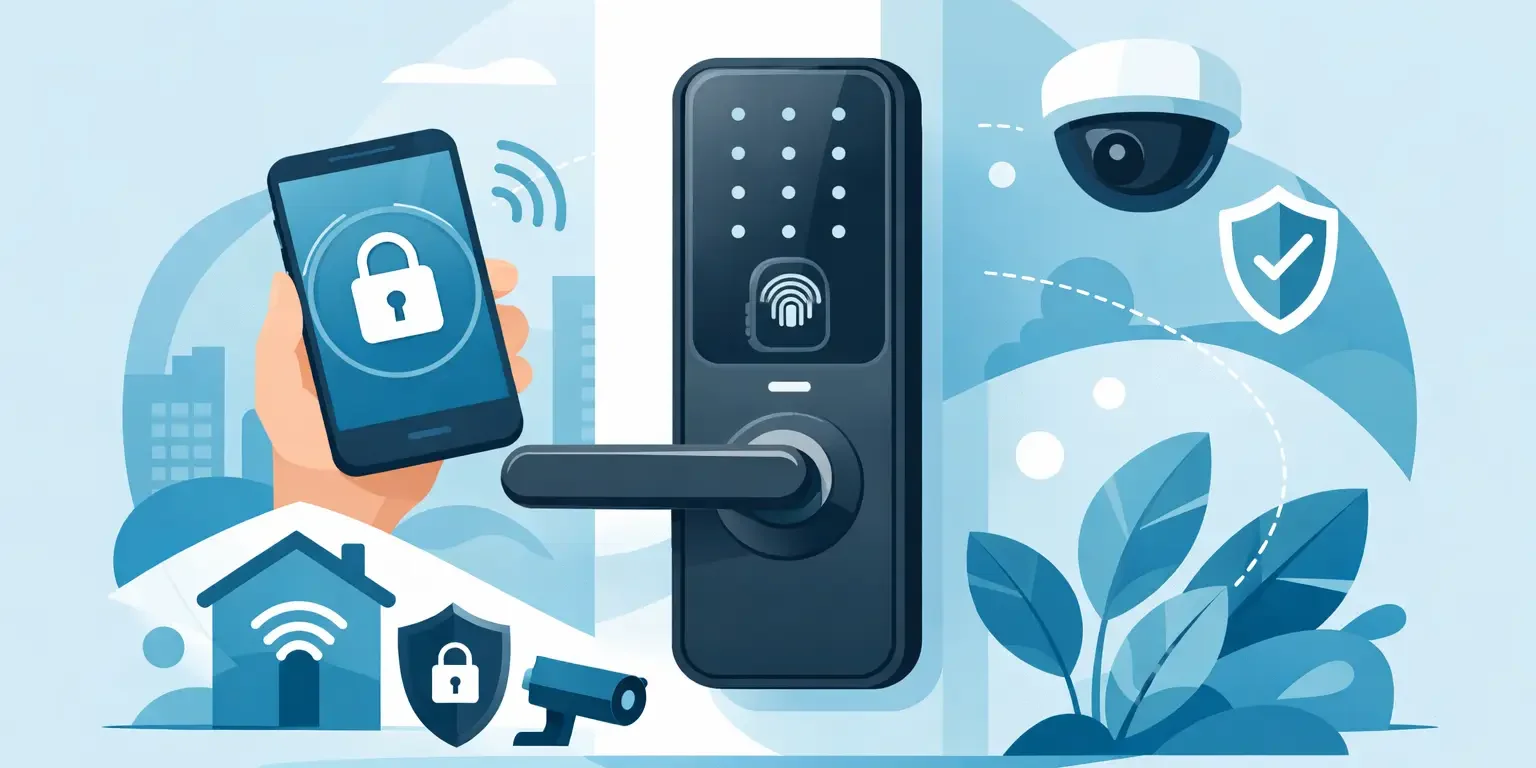
A front door that still depends on one worn-out key can become a daily hassle fast. If you are comparing keypad locks, smart locks, or upgraded deadbolts, this electronic door lock guide will help you sort out what matters before you buy, install, or replace anything.
Electronic locks are popular for a simple reason – they solve real problems. Homeowners want to stop hiding spare keys. Property managers want better control during tenant turnover. Business owners want to know who has access and when. The right lock can make entry easier while tightening security, but only if the lock matches the door, the traffic, and the way the property is used.
What an electronic door lock guide should help you decide
Most people start by asking which brand is best. That matters, but it is not the first question. A better place to start is with the door itself and the people using it.
A single-family home side door may only need a reliable keypad deadbolt with a backup key. A busy office may need scheduled user codes, audit trails, and stronger management controls. A rental property may benefit from quick code changes between tenants or guests. These are different jobs, and one lock will not fit all of them equally well.
The biggest mistake is buying based on features that sound impressive but do not match everyday use. A lock with app control, remote access, and voice assistant support may look great online, but if the door is exposed to weather, gets heavy daily traffic, or has alignment issues, those extra features will not fix a poor fit or weak installation.
Main types of electronic door locks
Electronic locks usually fall into a few practical categories. Keypad deadbolts are the most common. They let users enter with a code and often include a physical key override. For many homes and small offices, this is the most straightforward upgrade.
Smart locks add app-based control, notifications, temporary codes, and sometimes remote locking or unlocking. These can be useful for owners who manage access often, especially for rental properties or households with multiple users. The trade-off is that smart features bring more setup, more battery dependence, and sometimes more troubleshooting.
Lever-style electronic locks are common on interior office doors, side entries, and light commercial spaces. They can work well where convenience matters, but not every lever lock is appropriate for a main exterior door. On primary entry points, many property owners still prefer a dedicated deadbolt for stronger physical security.
Commercial electronic locks can include keypads, credential access, scheduled access windows, and integration with broader access systems. They offer stronger control, but they also require more planning. Door material, fire ratings, code compliance, and traffic volume all matter more in commercial settings.
Electronic door lock guide to the features that matter
Battery life should be near the top of your list. Most electronic locks run on standard batteries, and many perform well for months. Still, battery performance depends on use, climate, and the lock’s features. A lock with constant wireless communication may need battery changes sooner than a basic keypad lock.
Code management matters just as much. Some locks let you create a few permanent codes. Others allow multiple user codes, one-time guest codes, scheduled codes, and activity logs. If you only need keyless entry for your family, simple may be better. If staff changes often or tenants rotate, stronger user management is worth paying for.
Weather resistance is often overlooked. In the St. Louis area, doors deal with heat, cold, humidity, and storms. An electronic lock on a covered front porch faces different conditions than one on an exposed gate or side door. A lock that works fine in a showroom may not hold up as well outside if it is not rated for that environment.
You should also consider whether you want a key override. Some people like the backup of a traditional key. Others want a fully key-free setup. Neither choice is automatically better. A key override can help in some failure situations, but it also creates another component to maintain and secure.
Installation matters more than many buyers expect
An electronic lock is only as dependable as the door it is mounted on. If the door drags, the frame is out of alignment, or the strike plate is poorly positioned, even a quality lock can behave badly. Motorized deadbolts especially need proper alignment so the bolt extends and retracts without strain.
That is why installation is not just about swapping hardware. The bore size, backset, door thickness, handing, and latch alignment all need to match the lock’s specifications. In some cases, existing holes line up perfectly. In others, adjustments are needed to avoid premature wear, failed locking, or frustrating operation.
Professional installation can also help you avoid another common issue: choosing the wrong grade of lock for the job. A lock that works on a low-traffic residential door may not be suitable for a storefront, office suite, or shared entry. A trained locksmith can match the hardware to the actual use, not just the product description.
Where electronic locks make the most sense
For homeowners, front doors, garage entry doors, and home office doors are common upgrade points. Families like the convenience of not passing keys around, and many appreciate being able to assign a code to kids, relatives, or service providers. It is a practical upgrade after moving into a new home or replacing dated hardware.
For rental owners and property managers, electronic locks can reduce rekeying frequency in some situations. Instead of collecting every copy of a key, you can delete or change access codes when occupancy changes. That said, some properties still benefit from traditional rekeying along with electronic hardware, especially when physical keys may still exist.
For businesses, electronic locks are useful anywhere access needs to be controlled without handing out multiple keys. Offices, employee entrances, storage rooms, and interior restricted areas are common examples. The right setup depends on whether you need simple keypad entry or more advanced tracking and scheduling.
When a traditional lock may still be the better choice
Not every door needs electronics. Some customers are better served by a high-quality mechanical deadbolt, especially if they want maximum simplicity and minimal upkeep. If the door sees limited use, if users are not comfortable with digital access, or if the environment is hard on electronics, a mechanical lock can be the more dependable choice.
There are also hybrid situations. You may want electronic access on the main entrance and traditional hardware on secondary doors. Or you might pair an electronic deadbolt with a reinforced strike and upgraded door hardware for a more complete security improvement. Good security is rarely about one product alone.
Cost, value, and what you are really paying for
Electronic lock pricing varies widely. Entry-level keypad locks are more affordable and often meet the needs of many households. Smart locks with remote features, app integration, and advanced user controls usually cost more. Commercial-grade options can rise quickly in price depending on durability and access management features.
The full cost is not just the hardware. It includes proper installation, setup, programming, door adjustments if needed, and the value of getting a lock that works correctly from day one. A cheaper lock that drains batteries, binds on the door, or fails after a short time is rarely a bargain.
That is where an honest recommendation matters. A service-first locksmith should not push high-end electronics when a simpler lock will do the job. At the same time, going too basic can create problems if you need better access control than the lock can provide.
Choosing the right fit for your property
If you are selecting a lock for your home, start with convenience and reliability. Ask how many people need access, whether remote control actually matters, and whether the door itself is in good enough condition for electronic hardware.
If you are managing a rental or commercial space, focus on turnover, accountability, and traffic. How often do users change? Do you need temporary codes? Do you need to know who entered and when? Those answers will narrow the field much faster than brand names alone.
For customers in Ballwin, St. Louis, and surrounding Missouri communities, the best results usually come from seeing the door in person before making a final decision. Mobile locksmith service can be especially helpful here because the right answer often depends on the existing hardware, door condition, and how the property is used day to day.
A good electronic lock should make life easier without creating new problems. If you choose one that fits the door, the users, and the level of security you actually need, it becomes a smart upgrade instead of another thing to troubleshoot. When you are unsure, a local locksmith who works with both standard locks and modern electronic hardware can help you make a decision you will still feel good about a year from now.