
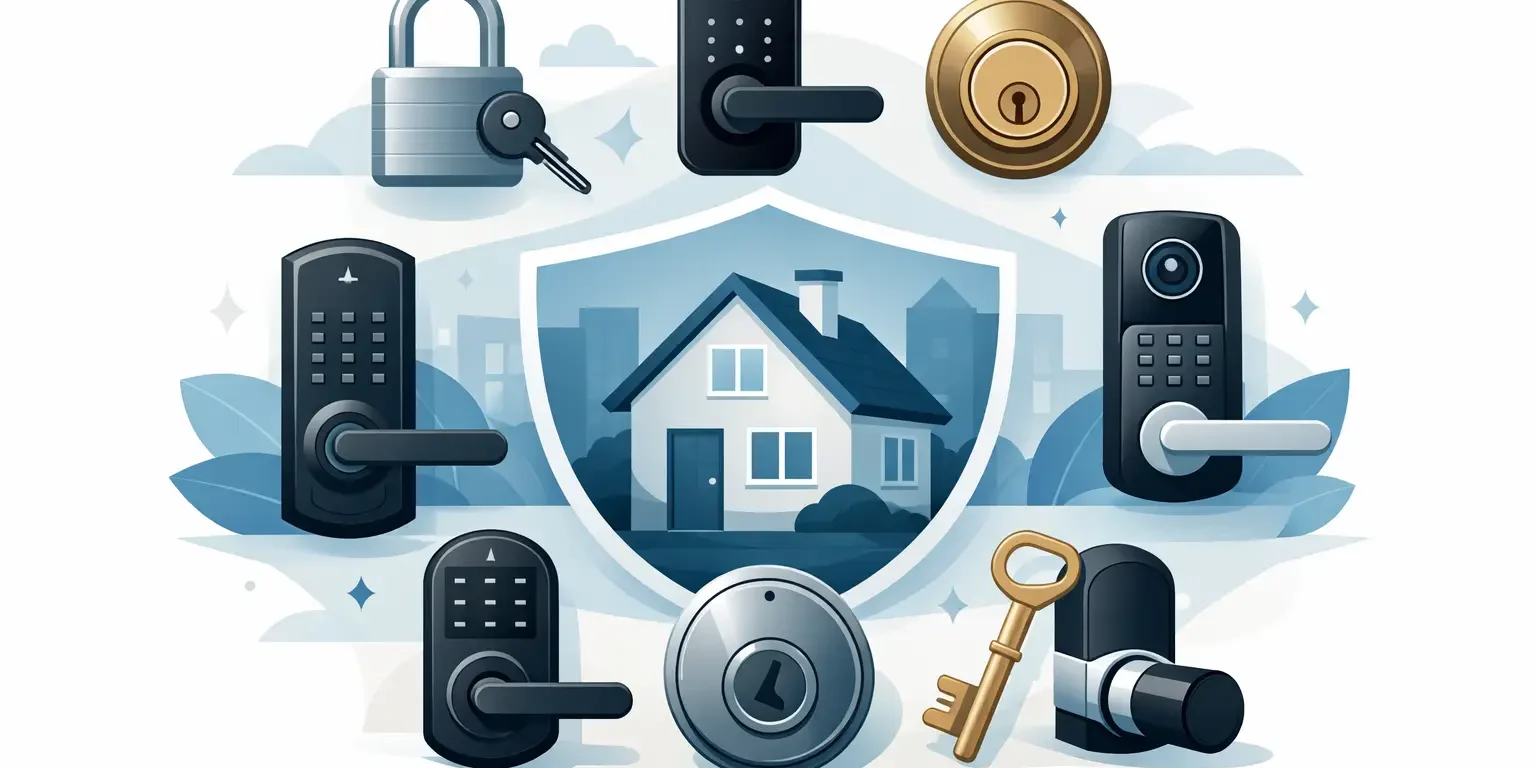
A front door lock usually gets attention only after a problem – a break-in nearby, a sticky deadbolt, a lost key, or a move into a new house. That is usually when homeowners start asking about the best lock brands for home security. The right answer is not just about buying the most expensive lock on the shelf. It is about choosing the best door lock brands with proven hardware, matching it to your door and frame, and having it installed correctly.
For homeowners in Ballwin, St. Louis, and surrounding areas, that matters more than the label alone. A strong lock on a weak door is still a weak setup. At the same time, a budget lock in a well-secured entry can leave a clear gap in your protection. The goal is practical security you can count on every day.
What makes the best lock brands for home security worth considering
A lock brand earns trust over time. Best door lock brands are consistent with materials, internal components, key control, finish quality, and product testing. They also offer options that fit real homes, whether you want a basic single-cylinder deadbolt, a keypad lock for easier access, or a higher-security cylinder that is harder to pick, drill, or bump.
For most homeowners, four things matter most. First is durability. A lock that feels loose after one season of use is not doing you any favors. Second is resistance to forced entry. Third is reliability in daily use, especially for families coming and going often. Fourth is support – parts availability, warranty coverage, and products a locksmith can service without a long delay.
That last point gets overlooked. Some locks look good online but become a hassle when keys need to be copied, batteries fail, or the hardware needs adjustment. Recognized brands tend to be easier to maintain and replace, which matters when you need fast service.
7 best door lock brands homeowners trust most
Schlage
Schlage is one of the most reliable names for residential deadbolts and keypad locks. It is widely trusted because the hardware is solid, the product line is broad, and replacement parts are usually easy to find. For many homes, Schlage hits the sweet spot between price and security.
Its better deadbolts feel noticeably sturdier than many low-cost options. Schlage also has strong smart lock choices for homeowners who want keypads, app access, or remote control. The trade-off is that not every Schlage model offers the same level of protection, so model selection matters.
Kwikset
Kwikset is common for a reason. It is affordable, widely available, and simple for many homeowners to use. The brand is especially popular when people want quick hardware updates, rekey-friendly options, or a straightforward smart lock at a moderate price.
That said, Kwikset covers a wide range from basic to better-grade hardware. Entry-level products may be fine for interior privacy or lower-risk applications, but main entry doors often benefit from moving up within the line or pairing the lock with reinforced strike plates and longer screws.
Yale
Yale has a long reputation in locks and has stayed relevant by doing both traditional and electronic security well. Homeowners looking for smart lock options often put Yale high on the list because the brand offers clean designs and good compatibility across modern home setups.
For a front door, Yale can be a strong fit if convenience matters as much as security. If you want keypad entry for family members, guests, or service providers, Yale often makes sense. The key is choosing a model that matches your door thickness, handing, and intended use instead of buying based on features alone.
Medeco
Medeco is a step up for homeowners who want higher-security mechanical protection. This brand is known for patented key control and cylinders designed to resist picking, drilling, and unauthorized key duplication. If you are serious about restricting who can copy your keys, Medeco deserves attention.
It is usually more expensive than standard residential hardware, and that cost is not necessary for every house. But for homeowners with repeated rekey concerns, rental turnover, detached buildings, or a strong preference for controlled access, Medeco can be a smart investment.
Mul-T-Lock
Mul-T-Lock is another respected high-security brand. It is often chosen when stronger cylinder protection and better key control are priorities. This is the kind of brand people consider when they do not want a basic hardware-store solution on a primary entry point.
Like Medeco, it is not the cheapest option, and it may be more security than some homes need. Still, if your property has had prior security issues or you want a more advanced lock system, Mul-T-Lock stands out for build quality and restricted key systems.
Baldwin
Baldwin is often known for decorative hardware, but it also offers solid lock options for homeowners who care about appearance without wanting to sacrifice quality. On higher-end homes, Baldwin is often selected because it pairs a better finish and feel with dependable performance.
The main consideration is that some buyers lean toward Baldwin for looks first. That is fine, as long as the chosen deadbolt or entry set is rated appropriately and installed on a reinforced door. Good-looking hardware should still meet real security needs.
ASSA ABLOY family brands
ASSA ABLOY is the larger company behind several respected lock and door hardware names. Depending on the product line, homeowners may encounter higher-end cylinders, commercial-grade components, or specialized residential options under this umbrella.
This category is worth knowing because it often overlaps with advanced security setups and locksmith-grade solutions. It may not be the first stop for every homeowner replacing one deadbolt, but it matters when you want something above standard retail hardware.
How to choose between the best lock brands for home security
The best door lock brands for your home depend on the door, the risk level, and how you actually use the lock. A family with kids who forget keys may benefit more from a dependable keypad deadbolt than from a premium mechanical cylinder. A homeowner focused on key control after a divorce, tenant change, or lost keys may be better served by a restricted-key system.
Start with the entry points that matter most. Front doors, back doors, garage entry doors, and side doors should usually get the strongest attention. Sliding doors, patio doors, and basement doors may need different hardware entirely, so one brand does not always cover every need equally well.
Also think about daily wear. If your front door gets used 15 times a day, buy for repeated use, not just appearance. If the door is exposed to weather, finish quality and internal corrosion resistance become more important.
Mechanical vs. smart locks
A standard deadbolt from one of the best door lock brands is still a very good option for many homes. Mechanical locks have fewer electronic points of failure, no battery dependency, and a long track record when installed properly. If your priority is basic strength and simplicity, this route often makes sense.
Smart locks add convenience. Temporary codes, remote access, lock history, and no-key entry are all useful in real life. They are especially helpful for busy households, short-term guests, and property managers. But smart locks are not all equal. Battery life, app quality, weather performance, and motor reliability can vary a lot by model.
For many homes, the best answer is not mechanical versus smart. It is choosing a quality smart lock from a proven brand and making sure the physical door security is still strong.
Installation matters as much as the brand
A premium deadbolt installed in a weak frame can still fail fast under force. Proper installation includes the right backset, correct alignment, secure mounting, and a reinforced strike area with longer screws anchored into framing. If the deadbolt rubs, binds, or does not fully extend, performance drops.
This is also why rekeying, lock changes, and deadbolt upgrades are often best handled on-site by an experienced locksmith. A trained technician can spot problems homeowners usually miss, like warped doors, shallow bolt throw, misaligned strikes, or old hardware that leaves hidden vulnerabilities.
That is especially true when switching brands, upgrading from a standard lock to a smart lock, or adding a new deadbolt where one did not exist before. Good hardware performs best when the whole opening is evaluated, not just the lock in the box.
When it makes sense to upgrade now
If you just moved into a home, an upgrade is often smart even if the current locks still work. You do not know how many keys are out there or whether the existing hardware was installed correctly. The same goes for homes after tenant turnover, lost keys, or attempted break-ins.
You should also take a closer look if your deadbolt feels loose, sticks regularly, or shows rust, wear, or movement at the strike plate. Small signs of trouble tend to become bigger security problems over time. Replacing aging locks before they fail is usually cheaper and less stressful than handling an emergency lockout or a rushed repair.
Choosing among the best lock brands for home security is really about finding the right fit for your home, not chasing a name alone. A dependable brand, the right lock type, and proper installation will always beat a rushed purchase. If you are unsure what fits your doors best, getting a professional recommendation before you buy can save time, money, and a lot of second-guessing later.
Need more ideas for protecting your home? Visit our Pinterest profile for expert door lock advice, security inspiration, and practical homeowner tips.