
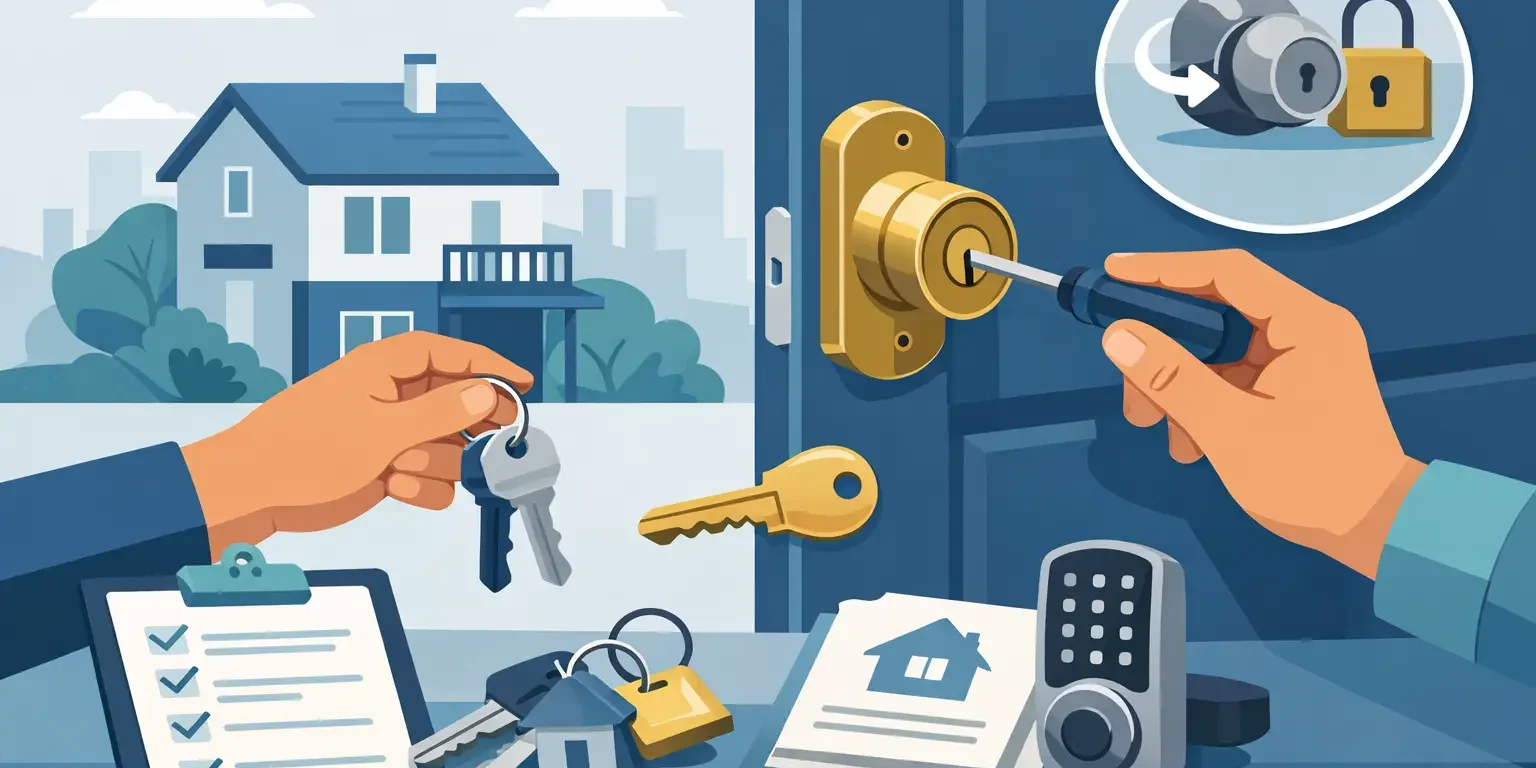
A vacant unit can go from move-out to move-in fast, and that short window is exactly when security mistakes happen. This landlord lock turnover guide is built for rental owners and property managers who need a practical plan – not guesswork – when one tenant leaves and the next one is about to arrive.
The biggest mistake is assuming the old keys are fully accounted for. In real rentals, that is rarely a safe assumption. Former tenants may have made copies, handed keys to relatives, given one to a dog walker, or lost a set months ago and never mentioned it. If access changed hands at any point, your locks deserve a fresh look before the next resident gets the keys.
Why a landlord lock turnover guide matters
Turnover security is about more than hardware. It is about liability, tenant confidence, and protecting the condition of the property. When a new renter moves in, they expect that only authorized people can enter. If an old key still works, that trust is already damaged.
There is also the business side. A lock issue after move-in creates stress, calls, and possible disputes that could have been avoided during turnover. Rekeying or changing locks at the right time is usually simpler and more affordable than handling an emergency after a tenant reports suspicious access or a missing key.
For landlords with multiple units, consistency matters just as much as speed. A clear process helps prevent skipped doors, forgotten storage rooms, and mismatched hardware across the property.
Rekey or replace during tenant turnover?
This is usually the first decision landlords face, and the right answer depends on the condition of the lock, the age of the hardware, and your long-term plan for the property.
Rekeying is often the best fit when the existing lock is in good shape and you simply want old keys to stop working. A locksmith changes the internal pin configuration so the previous key no longer opens the door, while a new key does. For many turnovers, this is the most cost-effective option because it improves control without replacing the entire lock.
Replacing the lock makes more sense when the hardware is worn out, damaged, low quality, or no longer matches your security standards. If the deadbolt sticks, the latch is loose, the cylinder feels sloppy, or the finish is heavily corroded, replacement can save money over time. The same applies if you want to upgrade from basic hardware to a stronger deadbolt or move to electronic access.
There are trade-offs. Rekeying is generally faster and less expensive, but it does not solve a failing lock. Full replacement gives you a fresh start, but it costs more and may require better planning if multiple doors need matching hardware.
What to check before the next tenant moves in
A solid landlord lock turnover guide should cover more than the front door. Rental properties often have multiple entry points, and missing just one can leave a gap.
Start with the main exterior doors, then check side doors, patio doors, basement entrances, garage access doors, mailbox locks, and any storage or utility areas assigned to the tenant. If the property has a gate, shared amenity access, or detached garage, include those too.
As you inspect each lock, look for practical signs of trouble. Does the key turn smoothly? Does the deadbolt fully extend into the strike plate? Is the door aligned properly, or does it need to be pushed or lifted to latch? A secure lock is only as good as the door and frame around it.
This is also the right time to count and document keys, identify which locks are keyed alike, and note any hardware that appears to be from different brands or generations. Mixed hardware is common in rentals that have been repaired over time, but it can create management headaches if you are trying to simplify access and maintenance.
When rekeying should be automatic
Some turnover situations should trigger rekeying right away, without much debate.
If the tenant did not return every key, rekey. If there was an eviction, rekey. If maintenance contractors, cleaners, or short-term occupants had unsupervised access and key control was loose, rekey. If the tenant reported a breakup, roommate dispute, stalking concern, or domestic issue that may involve copied keys, rekeying is a smart step for everyone involved.
Even when nothing dramatic happened, many landlords choose to rekey between every tenancy as standard practice. That approach removes guesswork and creates a cleaner record for property management.
Smart locks can help, but they are not always the answer
Electronic locks are becoming more common in rentals because they reduce physical key problems. Between tenants, you can delete old codes and issue new ones without worrying about hidden duplicates. That is a real advantage, especially for landlords who manage several units or want easier access for maintenance scheduling.
Still, smart locks are not automatically better in every property. Battery maintenance, weather exposure, tenant misuse, Wi-Fi limitations, and compatibility with existing doors all matter. In some buildings, a high-quality mechanical deadbolt remains the more dependable choice. In others, a keypad lock offers the right balance of convenience and control.
A good rule is to match the lock to the property and the management style. A single-family rental with frequent vendor visits may benefit from code-based access. A basic apartment unit with stable occupancy may do just fine with professionally rekeyed mechanical hardware.
Don’t forget the legal and lease side
Lock turnover is a security issue, but it can also touch lease terms and local expectations. Landlords should know what their lease says about lock changes, key return, unauthorized copies, and tenant-installed hardware. If tenants were allowed to add their own locks or cameras, make sure those changes are properly addressed at move-out.
It also helps to document what was done during turnover. Keep a simple record showing the service date, which locks were rekeyed or replaced, how many new keys were issued, and whether any smart lock codes were reset. That record can protect you later if questions come up about access.
For larger properties or multi-unit buildings, key control becomes even more important. If you use how these setups work, turnover work should be handled carefully so you do not create unintended access between units or service areas.
How to make lock turnover faster and less disruptive
The smoothest turnovers happen when lock service is scheduled early, not at the last minute. Once a move-out date is confirmed, plan your lock inspection with the rest of the turnover work. That way, painting, cleaning, repairs, and access updates happen in the right order.
If you wait until move-in day, a simple lock issue can delay everything. A door that will not latch correctly, a missing key, or a deadbolt that needs replacement can turn into a same-day problem for the new tenant and an avoidable expense for the landlord.
Mobile locksmith service is especially useful here because the work can be done on-site without removing hardware and hauling it somewhere else. For property managers in Ballwin, St. Louis, and surrounding areas, that can save valuable time when several units are turning at once.
A practical landlord lock turnover guide for every vacancy
If you want a repeatable process, keep it simple. Inspect every access point after move-out. Decide whether each lock should be rekeyed or replaced based on condition and risk. Test door alignment and deadbolt function. Reset or remove any electronic access. Document keys and changes before the next tenant arrives.
This process does not need to be complicated, but it does need to be consistent. Skipping lock work to save a little money can create a much bigger problem later. On the other hand, replacing every lock in every unit without checking condition may cost more than necessary. The best approach is practical, property-specific, and built around real risk.
For many landlords, the smartest move is to work with a locksmith who understands rental turnover, can spot weak hardware quickly, and can handle both traditional locks and newer electronic systems. That is often the difference between a rushed patch job and a clean, secure handoff.
Locks R Us regularly helps property owners and managers handle rekeying, lock changes, deadbolt upgrades, and smart lock installation during tenant turnover. Whether you manage one rental home or multiple units, the goal stays the same: make sure the next tenant starts with controlled access and a door that works the way it should.
A good turnover is not just about getting the place ready to show. It is about handing over a property that feels secure the moment the new tenant steps inside.